The Fourth Industrial Revolution

Steam. Electricity. Computers.
Now — you.

AI, robotics, connected devices and biotechnology are fusing the physical, digital and biological worlds. Watch what it really means.

ContinueRead the 20-page Guide
By Andrew Lauman

The machine
wants you
to merge.

They call it the singularity. I call it the moment humanity is asked to hand over its mind, its money, its body and its soul — and to say thank you.

Wake upSee the systems of control
Human vs Machine  ///  Freedom vs Control  ///  Truth vs Narrative  ///  Spirit vs Algorithm  ///  Cash vs Code  ///  Identity vs ID  ///  Christ vs Technocracy  /// 
Chapter One

The singularity is not a gift but “Digital Slavery”

The singularity is the point where machine intelligence outruns human understanding — and where decisions about your life are made by something you cannot question, cannot vote out and cannot look in the eye.

It took me nine years of searching to see it clearly. We are told this is progress. A smarter world. A frictionless world. But look at what is being asked in exchange: your data, your face, your money, your voice, your children's attention and, eventually, your consent.

This is the oldest story in the world dressed in new clothes. A promise of paradise in return for surrender. The serpent never offered poison. He offered knowledge, and a shortcut to becoming like gods.

Others speak of a “living system” in which technology and humanity flow together as one organism. I ask a simple question: who is the brain of that organism? If the answer is a network, an algorithm or a committee — then it is not living. It is a dead system wearing a living face.

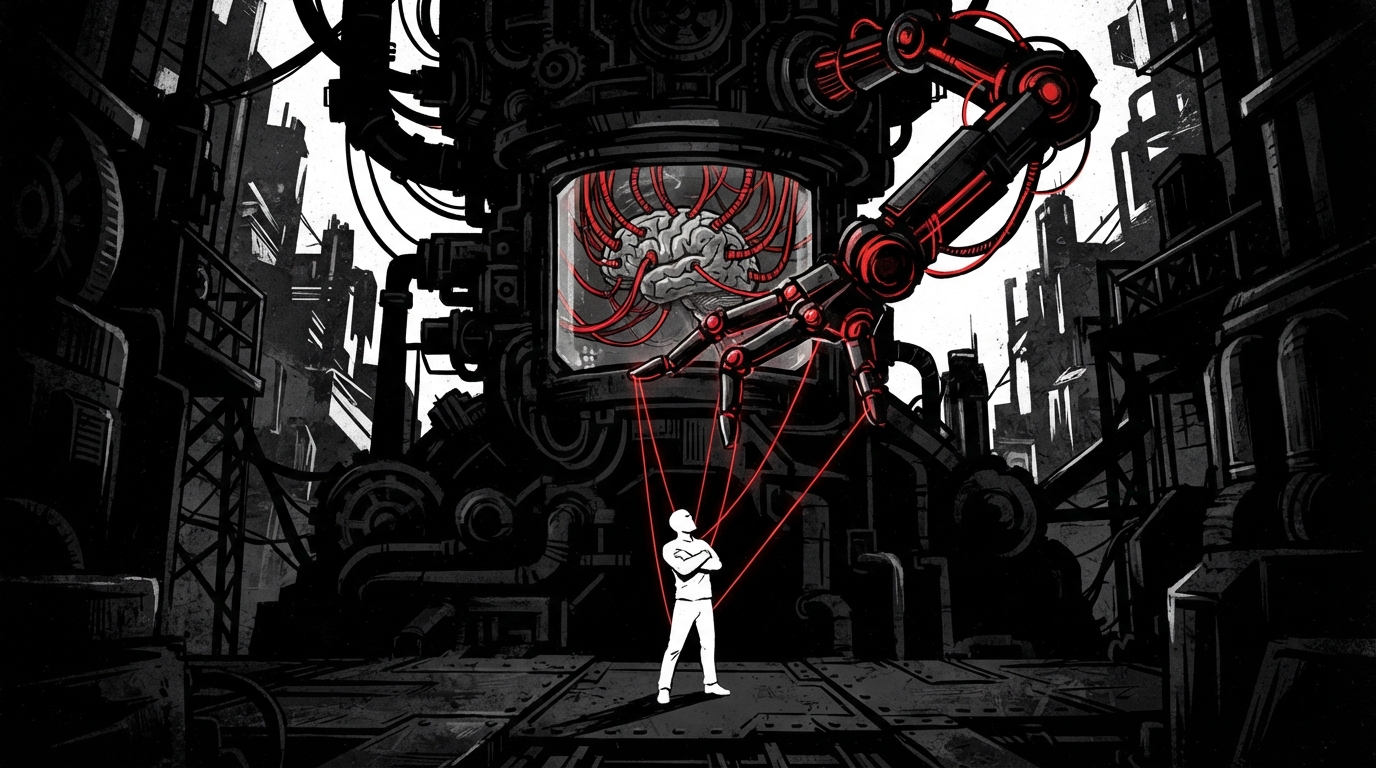
A human brain wired to a machine while a lone figure stands defiant

The machine-driven economy: always accelerating, never asking whether it should.

Chapter Two

The architects of the Fourth Industrial Revolution

Systems do not build themselves. Behind the singularity stand real people — thinkers, financiers, politicians and founders who write the vision, fund it and make it law. These are some of the most visible.

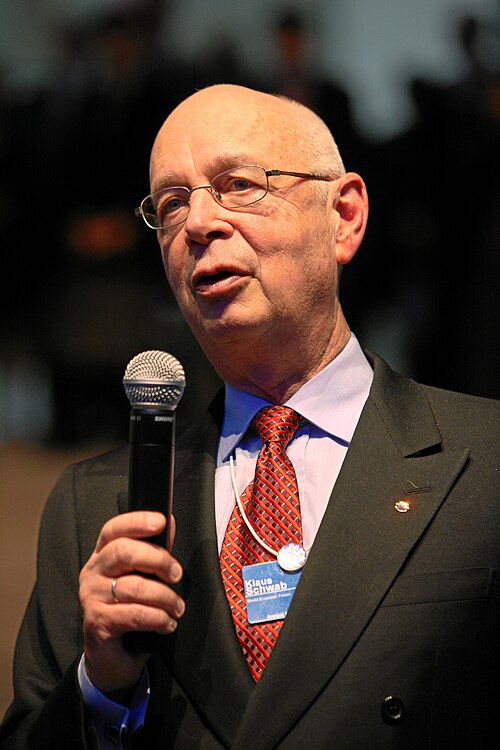
Portrait of Klaus Schwab
01

Klaus Schwab

Founder & Executive Chairman, World Economic Forum (to 2025)

The man who named it. Schwab founded the WEF in 1971 and popularised the phrase “Fourth Industrial Revolution” in his 2016 book of that name, later pushing the “Great Reset.” He speaks of a fusion of the physical, digital and biological worlds. My question: fused on whose terms?

Key works & roles: The Fourth Industrial Revolution (2016); COVID-19: The Great Reset (2020)
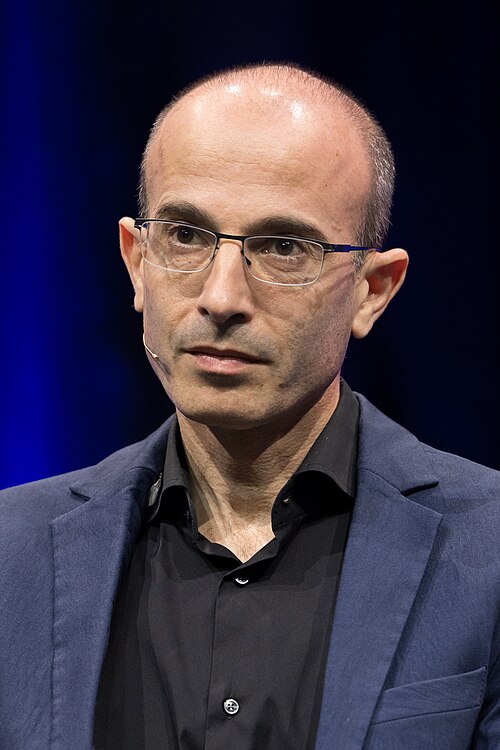
Portrait of Yuval Noah Harari
02

Yuval Noah Harari

Historian, author & WEF speaker

Israeli historian and bestselling author of Sapiens and Homo Deus. He has told WEF audiences that humans may become “hackable animals” and that AI could end human-run history. Describing a future is not the same as welcoming it — but his words are often quoted as a blueprint.

Key works & roles: Sapiens; Homo Deus; Nexus (2024)

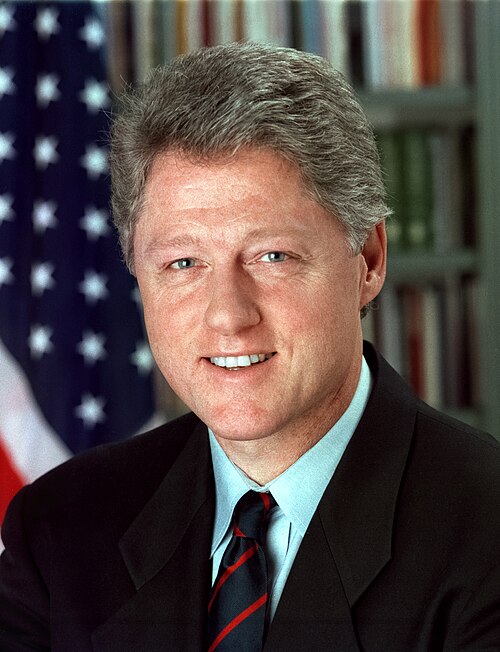
Portrait of Bill Clinton
03

Bill Clinton

42nd U.S. President & founder, Clinton Global Initiative

Opened the door to the globalised, digital economy: NAFTA, China’s trade status and the 1990s internet boom. Since 2005 his Clinton Global Initiative has convened governments, banks and corporations around “public-private partnerships” — the model at the heart of the new order.

Key works & roles: Presidency 1993–2001; Clinton Global Initiative (2005)

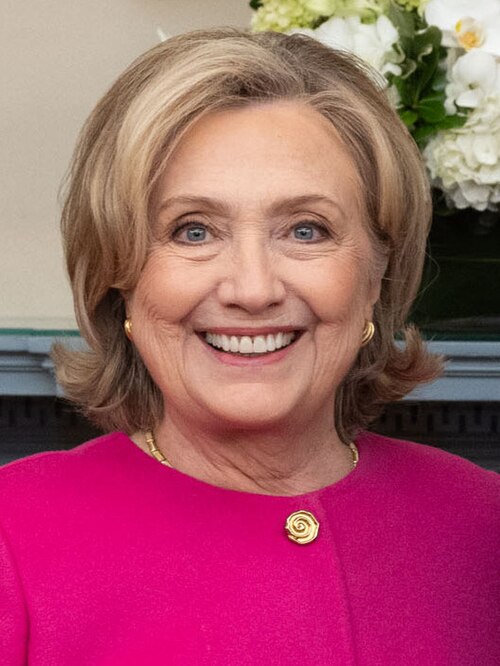
Portrait of Hillary Clinton
04

Hillary Clinton

Former U.S. Secretary of State & Senator

As Secretary of State she championed “internet freedom” and digital diplomacy, and has since called for tighter regulation of online speech and disinformation. Co-leader with Bill of the Clinton Foundation’s global network of partners.

Key works & roles: Secretary of State 2009–2013; Clinton Foundation

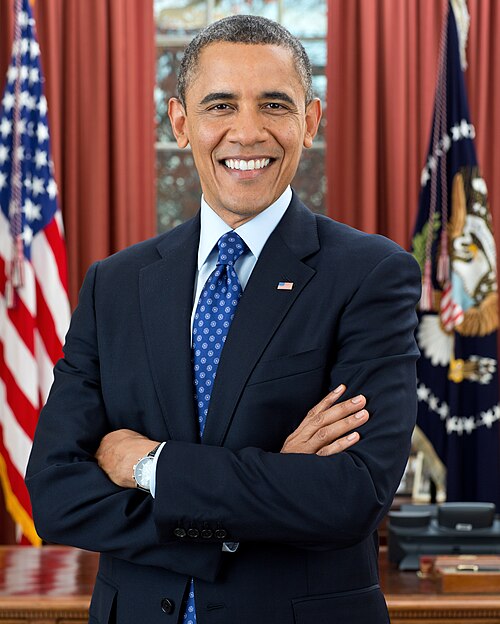
Portrait of Barack Obama
05

Barack Obama

44th U.S. President

The first “big data” president: his campaigns pioneered micro-targeting of voters, and his administration launched the Big Data and BRAIN initiatives. Since leaving office he has warned of AI’s risks while calling for new rules — written, naturally, by the same circle.

Key works & roles: Presidency 2009–2017; Obama Foundation

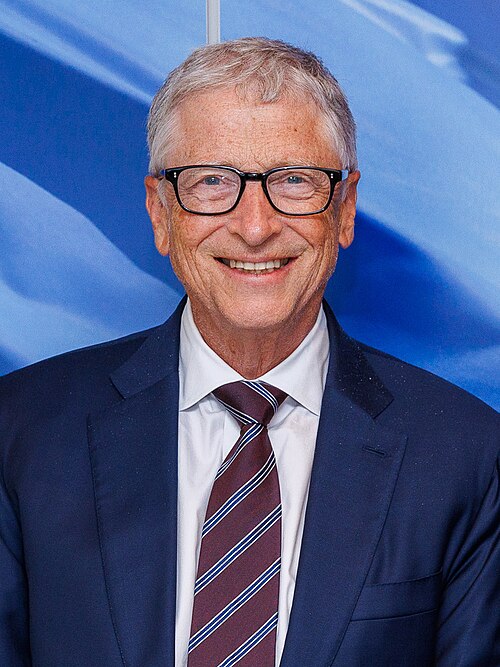
Portrait of Bill Gates
06

Bill Gates

Co-founder, Microsoft & Gates Foundation

Built the software the world runs on, then became the largest private funder of global health and one of the biggest owners of farmland in America. He backs digital ID and digital payment systems for developing countries and champions AI as a world-changing tool.

Key works & roles: Microsoft; Gates Foundation; Breakthrough Energy

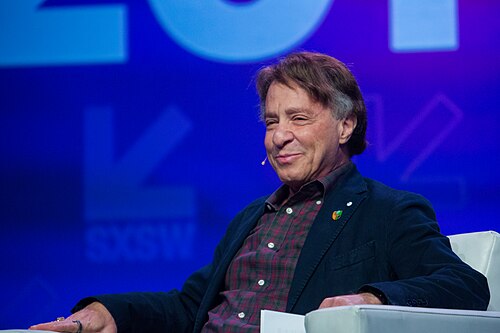
Portrait of Ray Kurzweil
07

Ray Kurzweil

Futurist, inventor & Google engineering director

The prophet of the singularity. He predicts human-level AI by 2029 and the merging of human and machine intelligence by 2045 — brain connected to the cloud, ageing “solved.” The very thing this site warns about, said with a smile.

Key works & roles: The Singularity Is Near (2005); The Singularity Is Nearer (2024)

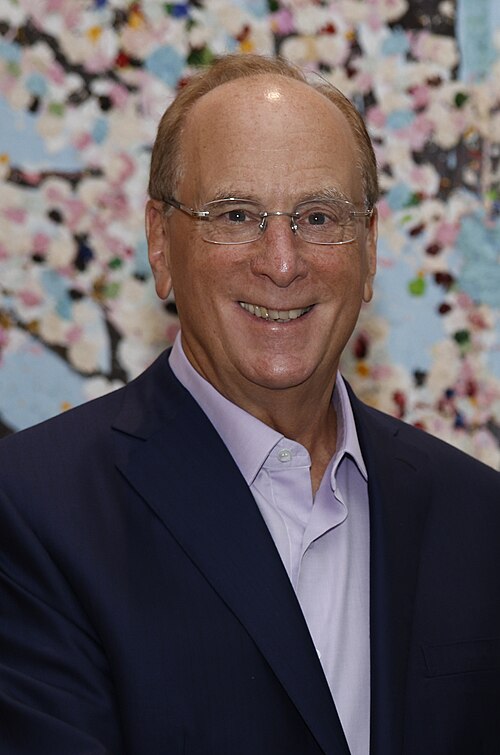
Portrait of Larry Fink
08

Larry Fink

Chairman & CEO, BlackRock

Runs the world’s largest asset manager, overseeing trillions of dollars. His annual letters to CEOs steered companies toward ESG goals, and BlackRock’s Aladdin software monitors risk across a vast share of global markets. Who owns the economy shapes who writes its rules.

Key works & roles: BlackRock; Aladdin platform; WEF board of trustees

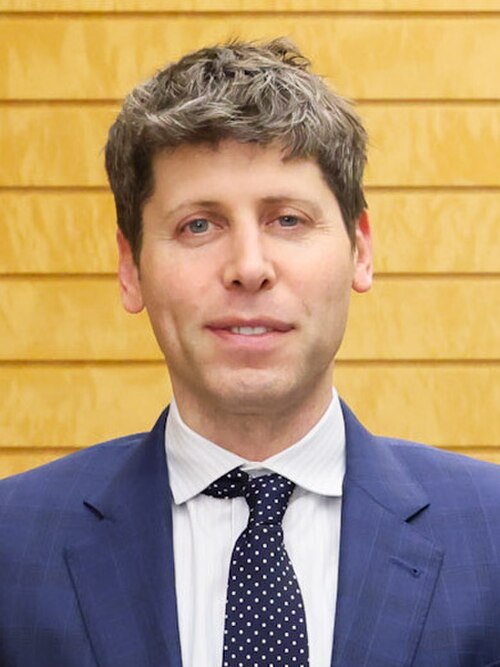
Portrait of Sam Altman
09

Sam Altman

CEO, OpenAI

Leads the company behind ChatGPT and has argued for a global body to oversee advanced AI. He also co-founded Worldcoin, which scans irises to create a digital identity. The speed of the machine age now runs through a few labs and a few founders.

Key works & roles: OpenAI; Worldcoin / World

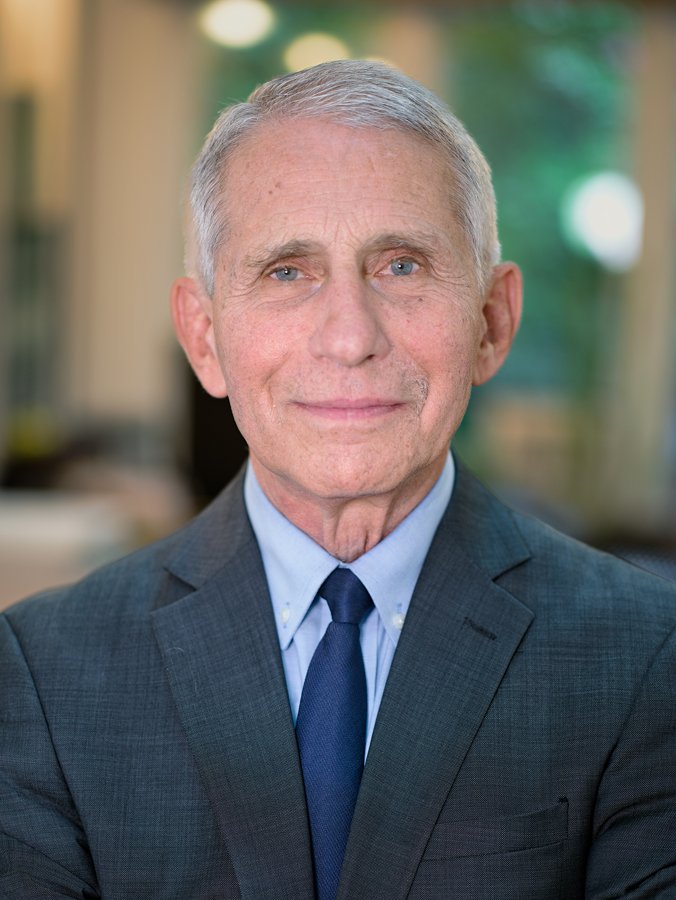
Portrait of Anthony Fauci
10

Anthony Fauci

Former Director, NIAID & Chief Medical Adviser to the President

For nearly four decades he led the US National Institute of Allergy and Infectious Diseases and became the public face of the COVID-19 response, including lockdowns and vaccine mandates. To many, he shows how health policy and emergency powers can reshape everyday freedoms overnight.

Key works & roles: NIAID Director (1984–2022); White House COVID-19 task force

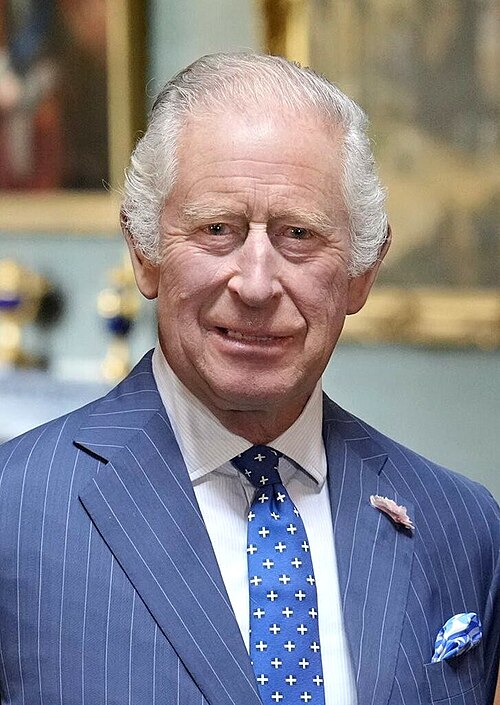
Portrait of King Charles III
11

King Charles III

King of the United Kingdom

A long-time campaigner on the environment, he launched the Great Reset initiative with the World Economic Forum in 2020 and champions “sustainable markets”. To critics, he shows how the world’s most traditional institutions are lending their authority to a new global agenda.

Key works & roles: Sustainable Markets Initiative; Great Reset launch (2020); King since 2022

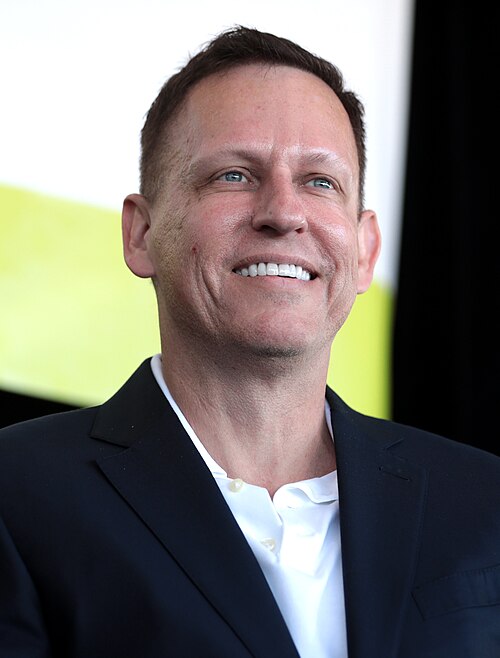
Portrait of Peter Thiel
12

Peter Thiel

Co-founder of PayPal & Palantir; venture investor

A PayPal co-founder and early Facebook investor, he built Palantir, the data-analysis firm used by intelligence agencies and governments. To critics, he represents the fusion of Silicon Valley money, surveillance technology and state power.

Key works & roles: PayPal; Palantir Technologies; Founders Fund; Zero to One

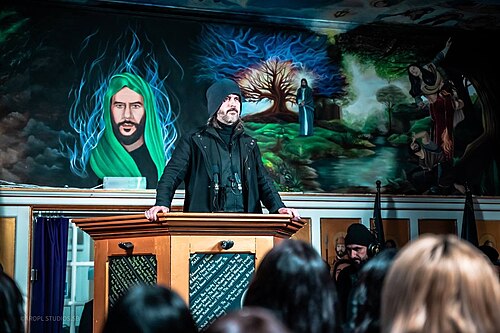
Portrait of Abdullah Hashem
13

Abdullah Hashem

Founder, Ahmadi Religion of Peace and Light

An Egyptian-American religious leader who founded a millenarian movement that blends Shia Islam with a vision of a coming global order. To the author, he stands as an example of the push toward a single, unified world religion.

Key works & roles: Founder of the Ahmadi Religion of Peace and Light (AROPL)

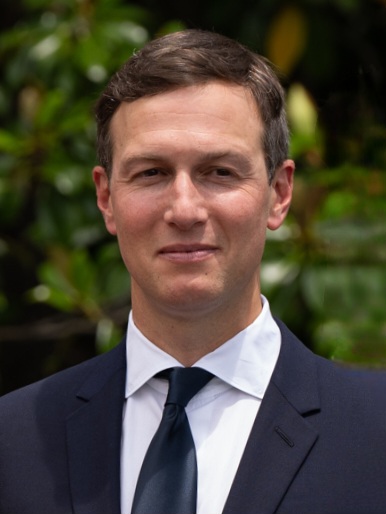
Portrait of Jared Kushner
14

Jared Kushner

Investor & former Senior Adviser to the US President

A real-estate and private-equity figure who became a senior White House adviser and helped broker the 2020 Abraham Accords. Since then he has run Affinity Partners, an investment fund backed largely by Gulf sovereign money. To the author, he shows how politics, deal-making and global capital now move together.

Key works & roles: Abraham Accords (2020); Affinity Partners (2021–)

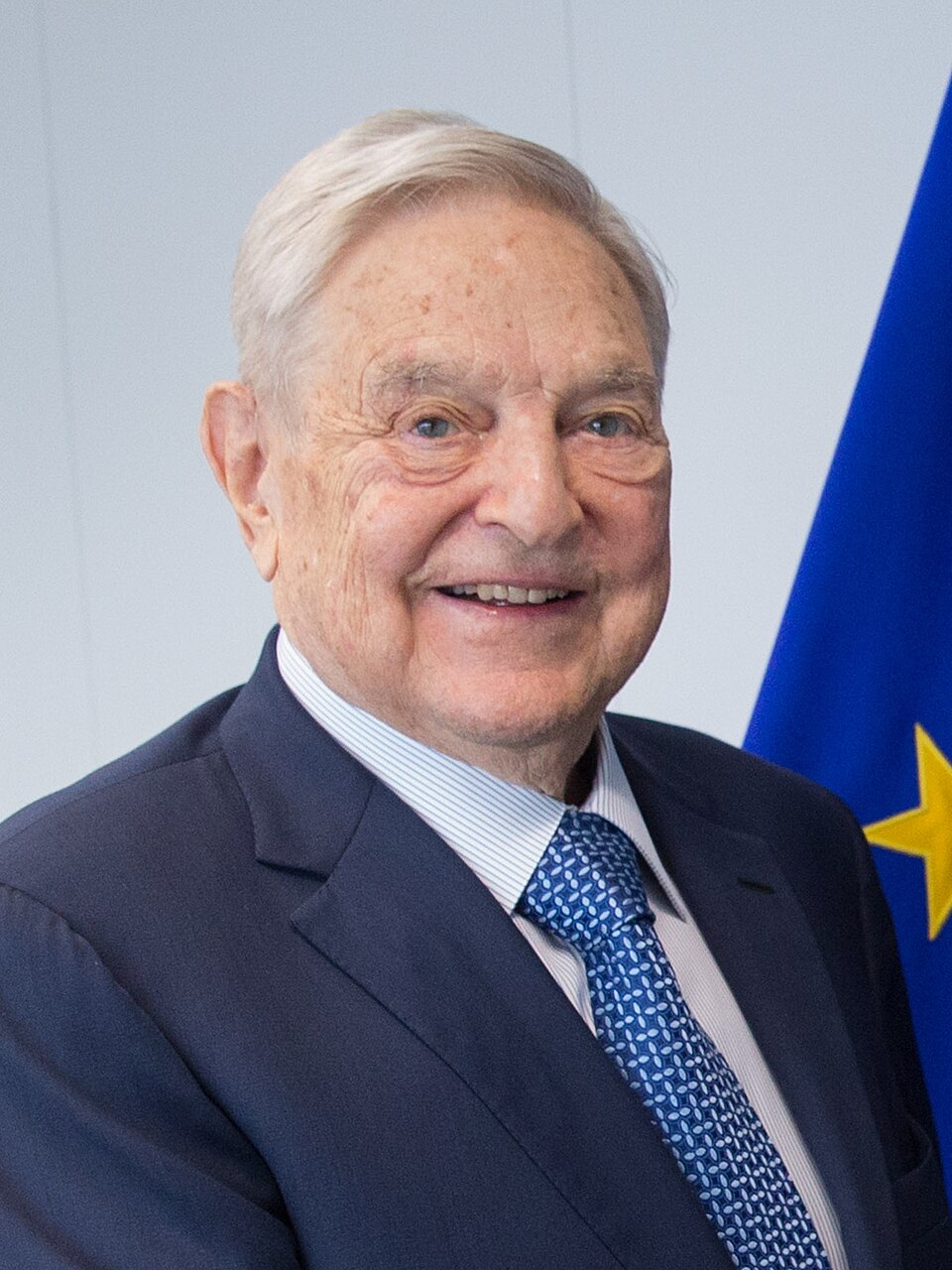
Portrait of George Soros
15

George Soros

Financier & Founder, Open Society Foundations

A hedge-fund billionaire who turned his wealth into one of the world’s largest private philanthropies, funding civil-society, media and policy groups in dozens of countries. He is open about his aims. The author’s question is simple: when private money steers public policy, who is accountable?

Key works & roles: Open Society Foundations (1993); Quantum Fund; The Alchemy of Finance

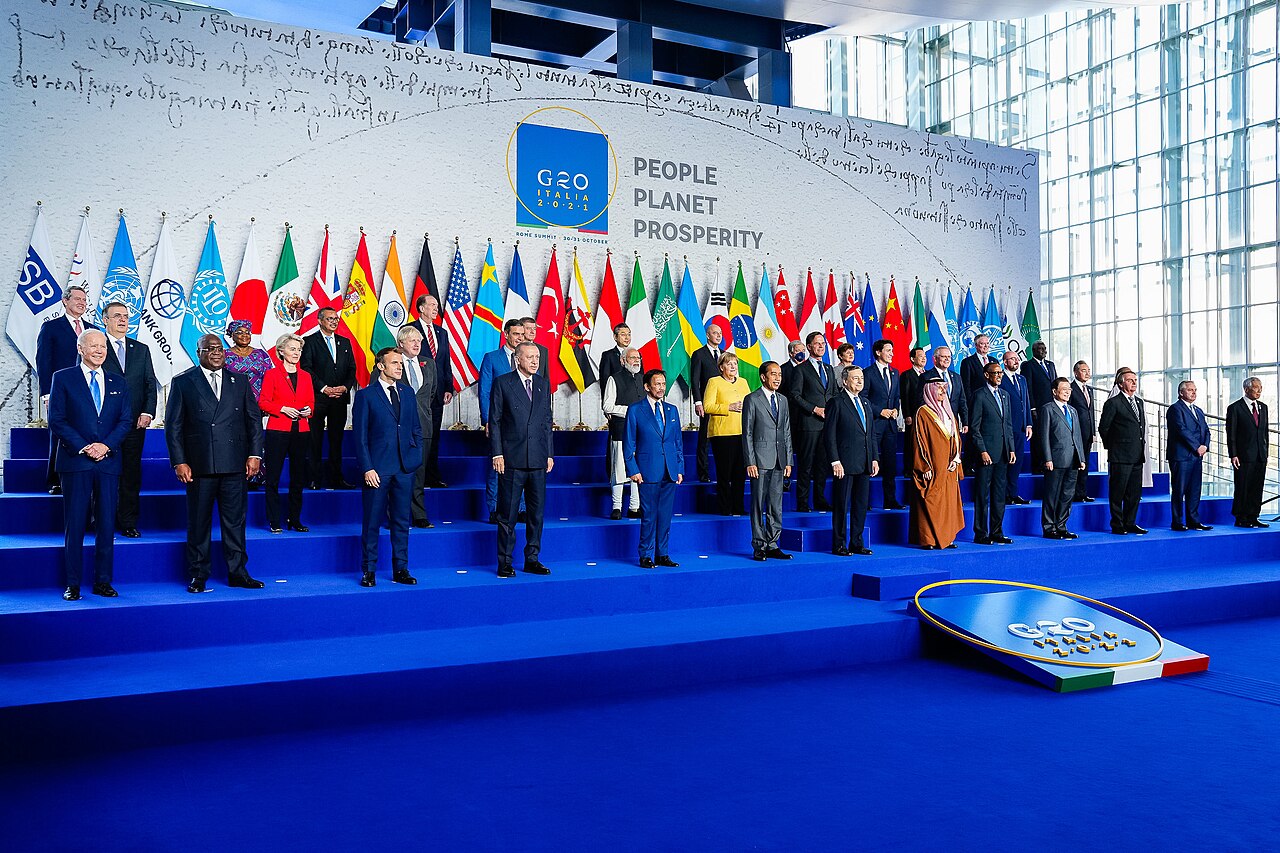
World leaders at the 2021 G20 summit in Rome
16

Government leaders

G7 & G20 heads of state and government

The people who turn the vision into law. At each summit, leaders of the largest economies pledge shared standards on digital currency, digital identity, climate and health rules, often in step with the WEF and the Bretton Woods bodies. The author’s view: the agenda moves forward at these tables, and voters rarely see the draft.

Pictured: Leaders at the 2021 G20 summit, Rome

Church, Inc. — the institutional church and the beast system
17

Church, Inc.

The institutional church as a corporation

Not the church Jesus built, but the church as a business: tax-exempt, government-licensed and often dependent on state and corporate favour. The author’s view is that some churches have traded their voice for comfort. They bless the new system from the pulpit, stay silent on digital ID, money and health mandates, and push “one faith” ecumenism that fits a single world religion. Revelation warns of a system that buys and sells and wins the loyalty of the faithful. In this reading, a church that is more loyal to the system than to Christ becomes part of the beast system. Many faithful pastors and believers refuse this. This is opinion and faith commentary, not a claim about any one named church.

Key works & roles: 501(c)(3) status; ecumenical & interfaith alliances; Rev 13, 17–18

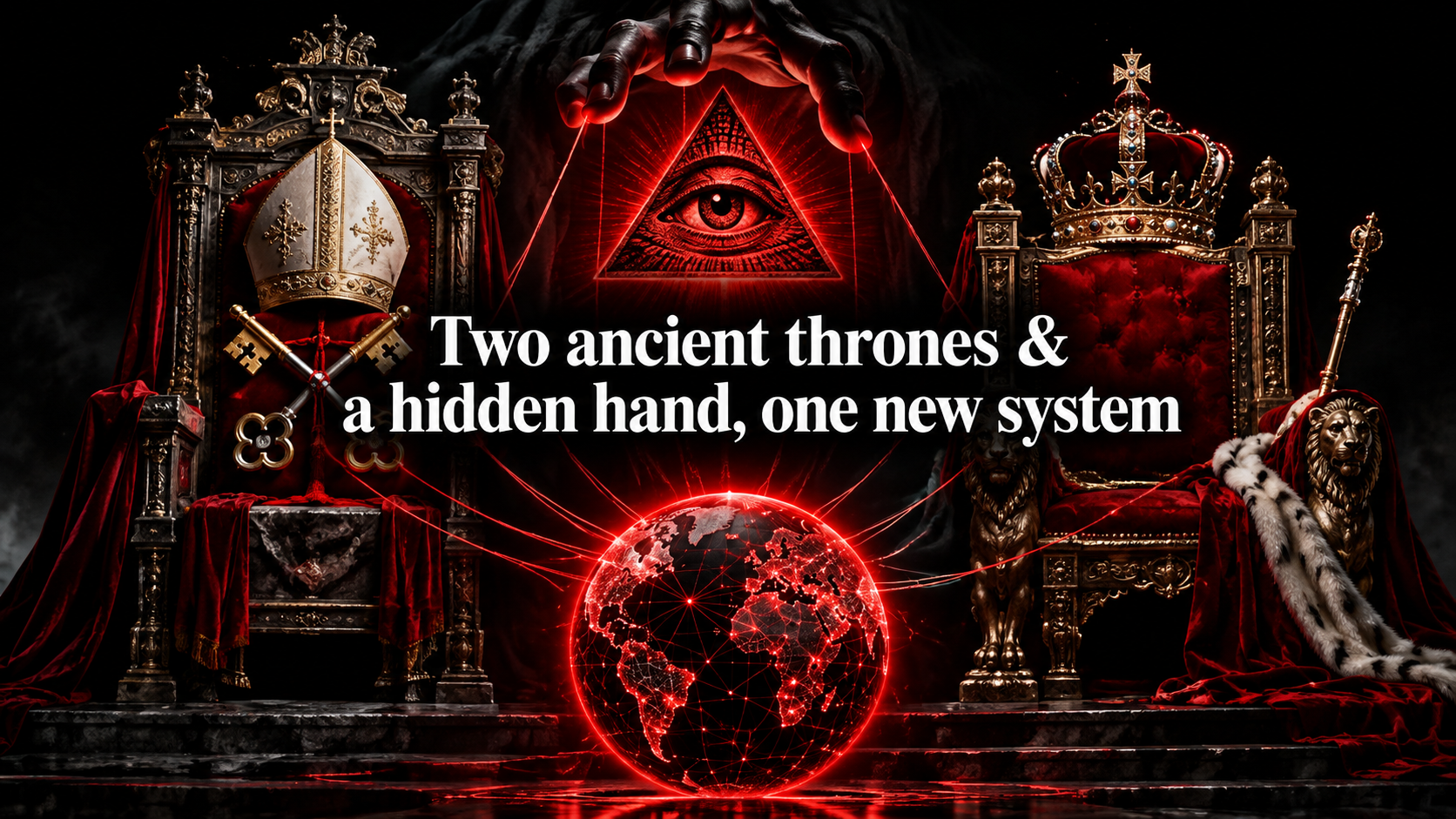
Two ancient thrones & a hidden hand, one new system

The oldest institutions on earth are not standing outside the new order. In the author’s view they are lending it their authority, their networks and their moral blessing.

Two ancient thrones and a hidden hand, one new system
✝

The Vatican & the Holy See

With over a billion Catholics, a permanent observer seat at the UN, its own bank and a diplomatic network older than most nations, Rome is the world’s most powerful soft-power institution. In recent years it has joined the language of the new order: the Abu Dhabi “Human Fraternity” declaration with Islam (2019), the Council for Inclusive Capitalism with the Vatican (2020), the “Rome Call for AI Ethics” signed with Microsoft and IBM, and papal teaching on climate, migration and technology that echoes the UN 2030 Agenda. Pope Leo XIV has made artificial intelligence a central theme of his papacy. Critics ask: is the Church guiding the machine, or blessing it?

♕

The Monarchy & the Crown

Kings and queens still sit at the top of the old order, and many now sit inside the new one. King Charles III launched the Great Reset with the WEF in 2020 and champions the Sustainable Markets Initiative; Prince William fronts the Earthshot Prize; the late Prince Philip co-founded the WWF. The Commonwealth links 56 nations, the City of London is a global financial hub, and Gulf monarchies fund mega-projects from NEOM to Dubai’s smart cities. Critics say thrones give a global agenda what no corporation can buy: tradition, legitimacy and a human face.

△

The Illuminati

Founded in Bavaria on 1 May 1776 by Adam Weishaupt, the original Illuminati sought to replace church and crown with a secret order of “enlightened” rulers — and was banned by 1785. Historians say it died there. Conspiracy writers say it never did: that the same idea — a hidden elite steering thrones, banks and governments toward one managed world — simply changed names, from the Eye on the dollar’s pyramid to the boardrooms of today. There is no proof of any such order running the world; in the author’s view, the pattern of unelected influence is the point. Critics ask: what is the difference between a secret society and a very exclusive summit?

A watchman’s warning: Jonathan Cahn & the throne of Pergamon

Messianic Jewish rabbi and bestselling author Jonathan Cahn (The Harbinger, The Return of the Gods) teaches that the spiritual forces behind ancient empires are returning to the modern West — and that nations which turn from God invite judgment.

♕

The throne of Pergamon

In Revelation 2:13 Christ tells the church in Pergamon it lives “where Satan’s throne is.” Many scholars link this to the monumental Great Altar of Zeus at Pergamon (today in Turkey), whose reconstructed ruins stand in the Pergamon Museum in Berlin. Cahn teaches that this “throne” was a seat of rival worship and imperial power, and that its spirit has not died — it has been moved.

✝

The return of the gods

Cahn’s teaching is that the ancient gods — Baal, Ashtoreth, Molech — return under modern names and forms: the sacrificing of the unborn, the blurring of male and female, and the worship of power and technology. He points to Pergamon-style columned stages and monuments in politics and culture as symbols of a spiritual shift, and calls believers to repent and return to Christ rather than ride the tide.

Forgiveness in Christ →

Profiles are commentary and opinion based on public roles, books and statements. Photos: Wikimedia Commons (open licences). Listing a person is not an accusation of wrongdoing.

Chapter Three

The six systems of the singularity

Six areas of human life. Capture them and you capture the human being. Each is being re-engineered around data, automation and centralised control.

01

Government

Policy by algorithm. Laws that adapt in real time, enforced by software that never sleeps and never shows mercy. Public servants become system administrators; citizens become data points. Even the thrones — the Crown and the Gulf monarchies — lend their weight.

Read: One World Government →

02

Religion

Scripture rewritten, softened or “optimised.” The authority of Christ replaced by the authority of the machine — a new priesthood of engineers offering immortality through uploading. The Vatican’s interfaith diplomacy and AI-ethics alliances are part of the story.

Read: One World Religion →

03

Health

Medicine becomes monitoring. Your body becomes a dataset, your records a permission slip. Gain-of-function research, bioweapons and nanotechnology push the boundary of what should never be touched.

Read: One Healthcare System →

04

Money

Cash is freedom. Code is permission. Programmable money can be switched off, restricted by category or given an expiry date. Whoever writes the code owns the wallet. At the top of the pyramid sit the central banks — the Federal Reserve, the BIS — whose officials no one votes for.

Read: One World Money System →

05

Energy

Control the energy and you control everything that runs on it — your home, your car, your travel, your food. AI data centres consume more of it every year, and the rationing always lands on people first.

Read: One World Energy System →

06

Gender

I hold compassion for every person. My quarrel is with the institutions and platforms that profit from confusion — dissolving the most basic human categories makes people easier to rebrand, medicate, sell to and steer.

Read: One World Gender Pass →

Chapter Four

The WEF 2030 framework

The World Economic Forum’s vision — the “Great Reset,” the “Fourth Industrial Revolution” and the 2030 agenda — gives us the framework. Read it against the six systems and the pattern is hard to un-see.

Countdown to 1 January 2030
0Years
0Months
0Days
00Hours
00Minutes
00Seconds
20162030
PillarThe promiseMy concern
GovernmentPublic-private partnership, “stakeholder capitalism”Corporations and unelected bodies shaping policy without a ballot
ReligionShared global values and ethicsA single managed belief system replacing scripture and conscience
HealthPersonalised, data-driven care and pandemic preparednessConstant biometric surveillance; health status as a condition of access
MoneyInclusive, efficient digital financeProgrammable currency and the end of anonymous cash
EnergyNet-zero and a “green transition”Rationing, tracking and carbon scoring of daily life
GenderInclusion and a redefinition of identityFluid identity as a tool of social engineering

Opinion and commentary. The table summarises public WEF themes alongside the author’s own interpretation. This section will be expanded with direct citations from the framework document supplied by the site owner.

The Map of the Dead System

Where we stand on the timeline

Six systems, the cities that anchor them and the centres of power that connect them. Drag the timeline from 2016 to 2030 and watch the network light up. Click any marker to fly in.

Drag to pan · double-click or + to zoom · click a marker
Capture levels are the author’s own opinion, not measured data. G8 = US, UK, France, Germany, Italy, Japan, Canada and Russia (suspended since 2014).
Chapter Five

The Neuralink of the System

Pillars are the what. This is the how. The platform is the net; the implant is the endpoint. Every post, reply, like and search on X is collected, scraped and poured into one centralized database — and my fear is that conservative voices are the ones being profiled, mapped and watched most closely. Whoever holds that database holds a map of who thinks what, and who to silence first. Neuralink is where that map could one day reach inside the head. This is my opinion and my concern, not a court finding — but the questions deserve to be asked out loud.

System 01

X & Neuralink — the mind interface

X (formerly Twitter) is becoming an “everything app” — speech, payments and identity under one roof, owned by one man. Neuralink, from the same founder, implants a chip in the brain to read neural signals. The first human received one in January 2024. The medical promise for paralysis is real. So is the question: when thought itself becomes data on a company’s server, who owns the mind?

1,024 electrodes
Recording channels on Neuralink’s N1 implant, threaded into the brain by a surgical robot
Source: Neuralink →
The Mark of the Beast says this;

“According to the Bible, the mark of the beast is a symbol described in the Book of Revelation (Revelation 13:16–18). It is placed on the right hand or the forehead of all people, and without it, individuals are unable to buy or sell.”
Chapter Six

The anti-human corporation

Society stands on seven pillars: human capital, governments, religion, health, energy, money and identity. The anti-human corporation is reaching into every one of them. It is the corporation that has stopped serving people — a structure built to answer to scores, frameworks and shareholders, and never to the human being on the other side of the counter.

1

Human capital / Workers as costs, households as data

The anti-human corporation treats the worker as a cost to be cut and the household as a data source to be mined. Wages stall while prices rise, skills are replaced by AI, and a person’s habits, family and creativity are logged, scored and sold. Staff paste company secrets into public AI tools while China and rival firms use AI to scrape and reconstruct a business’s data and IP.

2

Governments / Anti-human legislation · Regulation written by the regulated

Disclosure mandates, carbon reporting, quotas and compliance regimes are sold as protection. Giants can afford armies of lawyers to absorb them; the family business cannot. Laws drafted with the help of the companies they govern become a moat that locks out competition and locks in the framework.

3

Religion / Faith replaced by brand values

Woke capital preaches its own creed: slogans, pledges and compulsory training in place of conscience. Corporate “purpose” fills the space where faith and moral duty used to stand, and the believer who will not recite the new catechism is quietly marked as a problem for HR.

4

Health / Medicine as a product line

Pharmaceutical and insurance giants profit from managing sickness, not preventing it. Nutrition, movement and clean water are sidelined, and health data flows to corporate databases that decide who is covered, who is scored and who is left out.

5

Energy / ESG as a lever over power

ESG ratings and carbon rules steer capital away from affordable energy and toward whatever the framework approves. Prices rise, supply tightens, and the corporation that controls the grid controls everything that runs on it.

6

Money / Keynesian money · Debt as control

Printed money and cheap credit keep the largest players alive and crush small competitors. ESG scores decide who gets capital based on politics, not service, so boards chase the rating instead of the customer. Scarcity is engineered; generosity is taxed.

7

Identity / Surveillance and scoring

Your name, face, behaviour and opinions become corporate property. Data is treated as an asset to be harvested, and platforms increasingly decide who you are allowed to be. A person defined by systems is no longer free to define themselves.

The call to action

The corporation can be made human again — but not by asking nicely.

Learn how the anti-human corporation works, check whether your own organisation is being robbed, and join the people who intend to disrupt it.

Disrupt the “AH corporation” → Get an Alpha Analysis

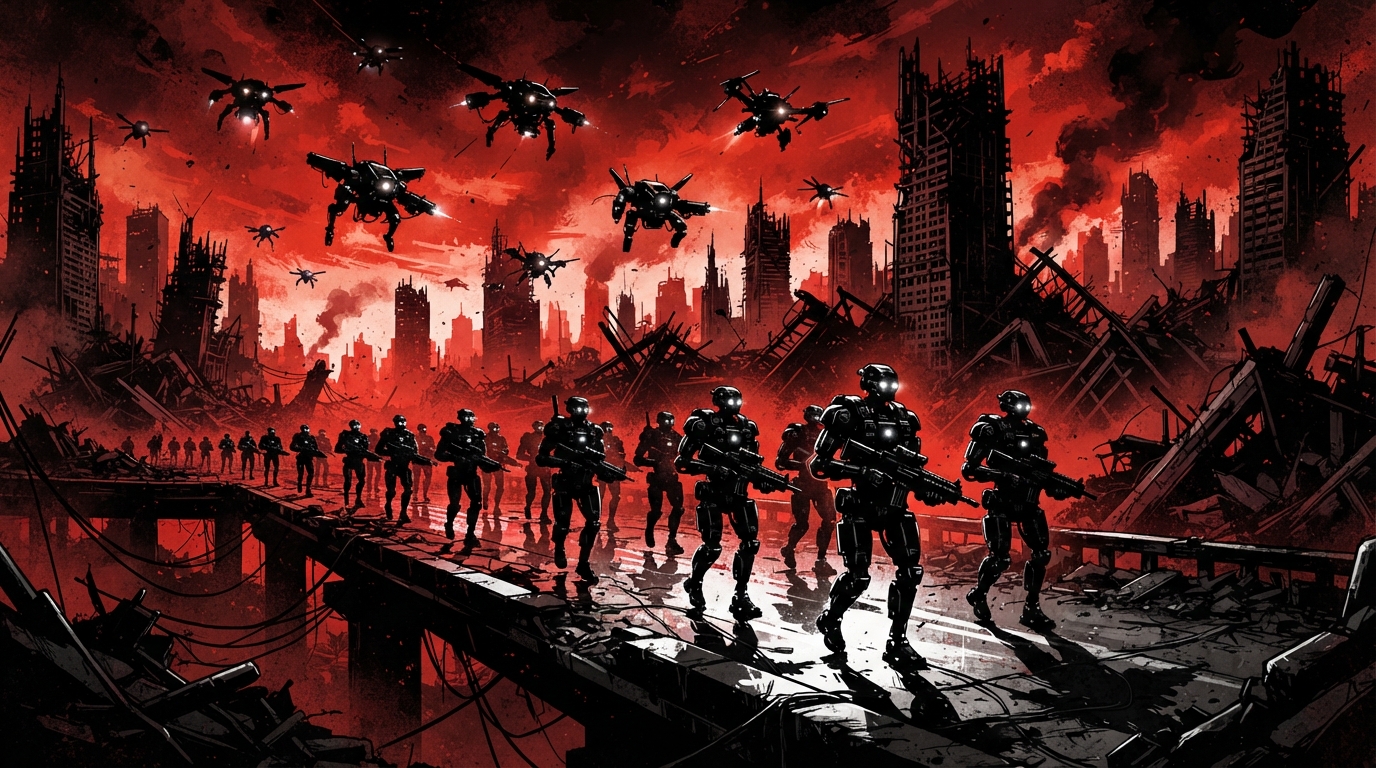
Autonomous robot soldiers marching over a ruined city
Chapter Seven

Rescue 1M children from slavery

Millions of children are trapped in forced labour and sexual exploitation. Our goal: to help rescue one million of them. It starts with people who refuse to look away.

Join the mission to rescue 1M children

See the film, the facts and how you can help.

Rescue 1M children →

Chapter Eight

Our media section

Watch, share, and decide for yourself.

Now playing

Featured video

More to watch

Chapter Nine

Living system or dead system?

This site is a deliberate counter-voice to The Living Systems and The Living Economy. They paint a seamless, machine-optimised world. I ask who it serves.

Their story

A smart, connected, self-regulating economy. Efficiency, optimisation and seamless integration of human and machine.

My answer

A life that cannot be switched off is not alive because it is networked. It is alive because it is free. Machines optimise. Only human beings can love, forgive, repent and choose.

The Lamb
“A third angel followed them and said in a loud voice: ‘If anyone worships the beast and its image and receives its mark on their forehead or on their hand, they, too, will drink the wine of God’s fury, which has been poured full strength into the cup of his wrath. They will be tormented with burning sulfur in the presence of the holy angels and of the Lamb. And the smoke of their torment will rise for ever and ever. There will be no rest day or night for those who worship the beast and its image, or for anyone who receives the mark of its name.’”
— Revelation 14:9–11
The Lamb who was slain

Beyond the beast stands the Lamb — the Lion of Judah. Salvation is offered to every sinner, and every ruler is called to serve Him.

Meet the Lamb of God →
Chapter Ten

One Living World: The Human Enterprise

The dead system runs on fear and control. The alternative is already being built: The Living Economy. Its seven systems of society grow like a living world — found in our human nature, growing through enterprise, and sustained by the planet — all connected through relationship.

A child reaches toward a glowing web of living light in a forest
Human

Every person a living seed (The Zoey Life)

Body, mind and spirit, growing best when nourished, supported and given room to flourish.

Enterprise

Tending something larger

People collaborating with shared purpose, like a team planting a forest.

Planet

The living web

Healthy people and enterprises regenerate the ecosystems they depend on.

The seven systems of society

01

Human capital

People, skills and spirit: values, family, faith, creativity and relationships as the foundation.

02

Governments

Servant, limited and accountable: protecting life and liberty, answerable to citizens.

03

Religion

Creator, peace, one family: faith traditions uniting people around shared purpose.

04

Health

Heal, nature, prevention: nutrition, movement and clean water before pills.

05

Energy

Abundant, clean and affordable, open to all through competitive innovation.

06

Money

Generosity and abundance: wealth that serves people’s needs rather than scarcity.

07

Identity

Freedom, privacy, self: individuals define themselves, not state systems or surveillance.

Each pillar feeds and strengthens the others — regenerative, not extractive. The machine offers an upgrade; the living economy offers a life.

Visit TheLivingEconomy.com →